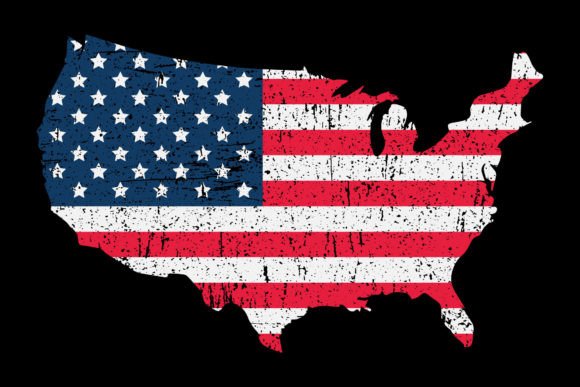
Distressed USA Vintage Flag Map Design: A Timeless Asset
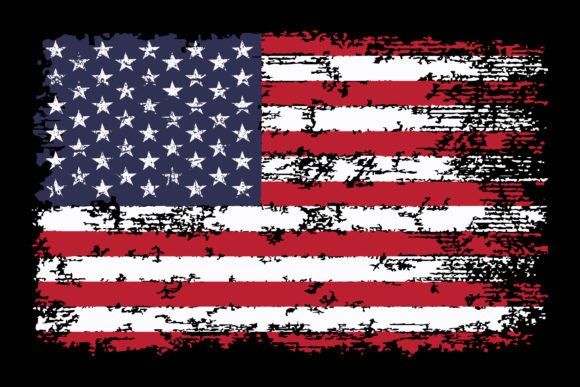
In the realm of graphic design, certain visual elements possess an innate power to evoke emotion and convey deep meaning. A Distressed USA Vintage Flag Map Design is a prime example, merging patriotic symbolism with a textured, historical aesthetic that instantly captures attention and builds a powerful narrative.
Understanding the Visual Language
This design style isn't merely a map; it's a statement. The "distressed" or "grungy" effect adds layers of texture, suggesting age, resilience, and authenticity. This visual treatment transforms a familiar silhouette into a piece of art, perfect for projects that require a blend of patriotism and modern aesthetics. It speaks to themes of freedom, independence, and enduring spirit, making it ideal for commemorations like the 4th of July, Memorial Day, or year-round brand identity for patriotic businesses.
Why This Design Style Resonates
From a visual design perspective, the distressed vintage look creates immediate visual hierarchy. The textured star art and graphic illustration draw the viewer's eye, while the familiar map outline provides instant recognition. This combination is incredibly effective for branding and logo design, where a brand needs to communicate heritage, quality, and reliability. The grunge aesthetic also feels more organic and less corporate, helping businesses connect with audiences on a more human level.
Practical Applications for Designers and Creators
The versatility of a high-quality Distressed USA Vintage Flag Map Design makes it a valuable asset in any design workflow. Its applications span across numerous creative projects, enhancing both digital and physical products.
- Branding and Logo Design: Create a powerful brand identity for companies in outdoor gear, craft beverages, heritage apparel, or local service businesses. The distressed texture adds character and memorability.
- Marketing Materials: Design impactful posters, flyers, and banners for patriotic events, sales, or community gatherings. The vintage vector art ensures a professional presentation whether printed large or used digitally.
- Social Media Content: Craft engaging graphics for platforms like Instagram and Facebook. Use the design as a background or central element for posts celebrating national holidays, honoring veterans, or promoting patriotic-themed products.
- Website and UI Design: Incorporate the illustration subtly as a background texture or hero image to establish a specific mood for a website, especially for organizations with a patriotic mission or historical focus.
- Packaging Design: Elevate product packaging for food, beverage, or merchandise with a vintage flair. The vector file formats ensure the design scales perfectly for labels, boxes, and tags.
- Merchandise and Digital Products: The design is perfect for t-shirts, mugs, stickers, and posters. For digital creators, it can enhance the look of printable art, worksheets, or presentation templates.
Integrating the Asset into Your Design System
To maximize the impact of this creative asset, consider its integration with your existing design elements. The provided file formats—Ai, EPS, SVG, PNG, and JPEG—offer ultimate flexibility. The vector files (Ai, EPS, SVG) are essential for scalable projects like large-format printing and logo work, allowing you to edit colors and details without quality loss. The high-resolution 300dpi PNG with a transparent background is invaluable for compositing into other designs seamlessly.
Tips for Effective Use
- Color Palette Coordination: While the classic red, white, and blue are inherent, you can adapt the color palette within vector software to align with a client's brand guidelines. Muted tones can enhance the vintage feel, while bolder colors can modernize it.
- Typography Pairing: Pair the graphic with appropriate typography. Serif fonts or rustic slab serifs complement the vintage aesthetic, while clean sans-serifs can create a striking, modern contrast.
- Maintain Visual Balance: The distressed map is a strong visual element. Use it as a focal point and balance it with ample negative space and simpler design components to avoid overwhelming the viewer and ensure readability for accompanying text.
- Context is Key: Always consider your audience expectations and the project's goal. The design is powerful but should be used where its symbolic meaning aligns with the message you wish to communicate.
Ultimately, selecting a thoughtfully crafted design asset like this one is about more than decoration; it's about effective communication. By leveraging its historical texture and symbolic power, designers and marketers can create more compelling, cohesive, and emotionally resonant work that stands out in a crowded visual landscape and strengthens the connection between a brand and its audience.